
 See My Latest Article on HelloNation
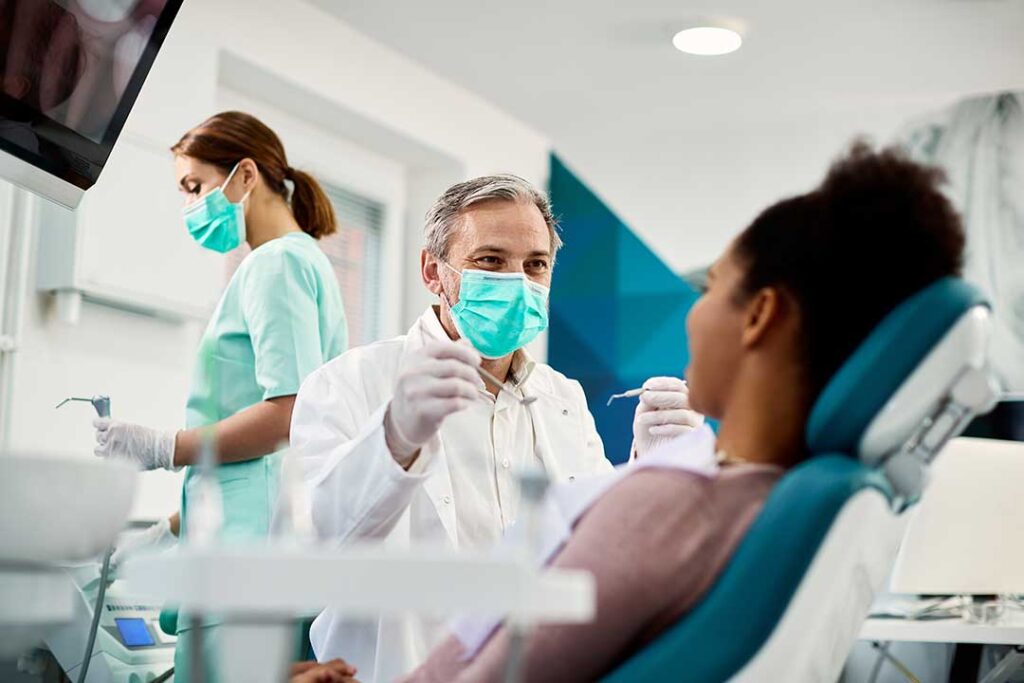
What Causes Tooth Sensitivity?
Tooth sensitivity happens when the layer beneath your tooth enamel (called dentin) becomes exposed, allowing food or drink temperatures—or even breathing in cold air—to trigger nerves inside your teeth. For many people in Fairport, this may occur due to everyday habits or seasonal factors unique to the region.
The most common reasons for dentin exposure include:
- Gum recession from brushing too hard or gum disease
- Worn-down enamel due to acidic foods, grinding, or age
- Tooth decay, cracks, or worn fillings
- Recent dental procedures, sometimes temporarily
In a place like Fairport, where winter air is often cold and dry, extra temperature swings can increase noticeable sensitivity. Homes that use forced-air heating may also contribute to mouth dryness, which can intensify discomfort for some residents.
How Does Tooth Sensitivity Feel and When Does It Happen?
Most people describe tooth sensitivity as a quick, sharp twinge or an ache in reaction to something hot, cold, sweet, or sour. The sensation might occur when eating ice cream, sipping coffee, brushing teeth, or even going outside on a chilly morning.
Less obvious triggers can include:
- Rinsing with mouthwash containing alcohol or certain chemicals
- Eating acidic fruits frequently
- Breathing through the mouth during winter walks in Fairport
Sometimes, only one tooth causes trouble. Other times, the feeling spreads across several teeth or comes and goes depending on diet and seasonal habits.
Is Tooth Sensitivity a Sign of a Bigger Problem?
Occasional mild sensitivity is common and not always a cause for concern. If discomfort:
- Lingers for more than a few seconds after exposure to cold or heat
- Happens daily or severely interferes with eating or sleeping
- Is limited to a single tooth with pain or visible damage
…it may signal a cavity, cracked tooth, or gum disease. Locally, climate and indoor heating can amplify underlying issues, so if symptoms persist, it may be wise to seek further evaluation to rule out more serious dental conditions.
Are Certain Habits in Fairport Making Sensitivity Worse?
Local routines and environment can influence oral comfort. Residents might notice increased tooth sensitivity during the colder months or after changes in water quality, which can vary seasonally in the area. Certain household habits stand out as common culprits:
- Brushing with too much force or using stiff-bristled toothbrushes
- Consuming highly acidic beverages like citrus juices frequently
- Overuse of whitening toothpaste or bleaching strips
- Teeth grinding or clenching—sometimes more common during seasonal stress
Some area residents might rely on hot drinks to stay warm in winter, alternating with cold snacks from the fridge, leading to repeated temperature shocks that can wear on sensitive teeth.
What Everyday Remedies Can Help Reduce Tooth Sensitivity?
Simple changes at home and in daily routines can often bring noticeable relief for sensitive teeth in Fairport households:
- Use a soft-bristled toothbrush and gentle, circular brushing motions
- Switch to toothpaste formulated for sensitive teeth (these usually contain compounds that help block nerve signals over time)
- Limit acidic or sugary snacks and beverages (rinse with water afterward if consumed)
- Avoid aggressive or frequent use of whitening products
- Wear a nightguard if teeth grinding is suspected, especially during stressful periods common in upstate winters
Keep in mind that sensitivity toothpaste may require consistent use for several weeks before full benefits are noticeable.
Can Home Weather and Water Affect Sensitive Teeth?
Seasonal conditions in Fairport—cold winds, indoor heat, and dry winter air—can make teeth feel more sensitive than usual, particularly if there’s existing enamel erosion or gum recession. For those using household water softeners or well water, fluctuations in water mineral content may also contribute to changes in tooth comfort and enamel resilience.
Residents concerned about mineral balance may want to ensure they aren’t overusing harsh mouth rinses or neglecting regular water intake, as dry mouth can leave teeth more vulnerable to temperature extremes and bacteria.
What Are Some Persistent Myths About Tooth Sensitivity?
Several common misconceptions circulate regarding sensitive teeth:
- "Only people with cavities experience sensitivity."
In reality, gum recession, enamel wear, and even normal aging can all lead to twinges, with or without decay.
- "Brushing harder gets teeth cleaner."
Overzealous brushing may wear away enamel and gums, making sensitivity worse, not better.
- "If sensitivity goes away after a day, it’s nothing."
Fluctuating symptoms might still indicate moderate enamel wear or small cracks that deserve attention if they occur regularly.
When Should Residents Consider Professional Assessment?
While minor sensitivity can often be self-managed, certain circumstances mean it’s wise for Fairport area residents to seek an expert opinion:
- Sensitivity sharply worsens or spreads
- Affected teeth look darker or have visible pits/cracks
- Gums bleed frequently or seem to be pulling away from teeth
- Sensitivity is accompanied by swelling, pus, or persistent bad taste
In these cases, deeper cavities, gum disease, or root problems could be present and may require more specific interventions.
Everyday Strategies for Comfort in Fairport
Local households can often reduce day-to-day tooth sensitivity by:
- Sticking to a gentle oral hygiene routine
- Avoiding abrupt changes in food temperature (such as following hot soup immediately with ice water)
- Drinking plenty of water, especially in heated, dry homes
- Protecting teeth from strain if grinding or nighttime clenching is an issue
For most residents in the city, these simple adjustments, combined with awareness of seasonal and household influences, can make a lasting difference in comfort and tooth health.