
 See My Latest Article on HelloNation
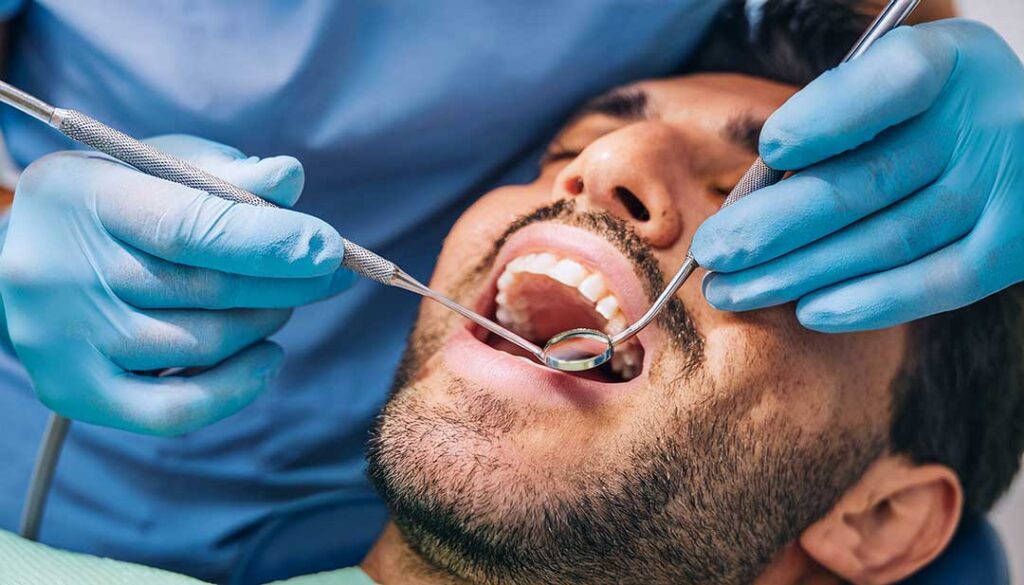
How Does the Health of Your Mouth Affect the Rest of Your Body?
Oral health is much more than having a bright smile. Scientific research has shown direct links between conditions in the mouth and other areas of physical health. What happens in your mouth can reflect problems elsewhere in the body, and dental issues can contribute to, or worsen, certain health conditions.
What Are the Most Common Ways Oral Health Impacts General Wellness?
The mouth is home to millions of bacteria, most of which are harmless. Good daily oral care keeps these in balance. When oral hygiene lapses, bacteria can cause tooth decay and gum disease—problems which can lead to infections that may spread beyond the mouth.
Gum (periodontal) disease and tooth decay do not stay confined. Infection can enter the blood or respiratory system, especially when the body’s immune defenses are low. Some chronic diseases are more difficult to manage when dental health declines.
Are There Specific Conditions Linked to Poor Oral Health?
Yes—studies consistently connect oral health problems with:
- Heart and Blood Vessel Issues: Bacterial infections from gum disease may contribute to clogged arteries and increase risk of heart disease or stroke.
- Diabetes: People with diabetes are more likely to experience gum disease, and serious gum problems can make blood sugar control harder.
- Pregnancy Complications: Untreated gum infections have been linked to premature births and low birth weights.
- Respiratory Infections: Breathing in bacteria from the mouth can aggravate pneumonia or other lung conditions.
What Simple Daily Habits Protect Both Dental and Overall Health?
Establishing a few consistent habits each day can make a measurable difference. For residents of Fairport where the climate includes cold winters and local water may have variable mineral content (with some households using private wells), consider that both the environment and household routines can influence dental health.
- Brush twice a day with fluoride toothpaste.
- Floss once daily to remove debris between teeth.
- Drink water regularly, especially if home water is not fluoridated.
- Swap sugary snacks for fruits, vegetables, or nuts.
- Use a soft-bristled toothbrush and replace it every three months.
Local diets, such as seasonal produce from farmers’ markets or snacks popular in the area, can influence tooth decay risk—being mindful of sticky or sugary foods is a practical step for local families.
How Do Seasonal and Household Factors in Fairport Influence Dental Care?
Fairport households navigate significant seasonal changes, which can affect oral health in subtle ways. For example, indoor heating during cold months dries out the air. Dryness can lead to dry mouth, increasing cavity risk. Local families may also enjoy apple-picking and other fall activities, increasing intake of acidic fruits that can wear on enamel.
To minimize seasonal impacts:
- Drink extra water during winter when homes are heated.
- Rinse with water after enjoying acidic snacks.
- Use a humidifier at home to keep air moist if dry mouth is a problem.
If using private wells (common in some parts of the area), consider that water may have less fluoride—a mineral that helps prevent tooth decay. Families relying on well water might consult public health guidelines for fluoride supplements.
Can Good Oral Health Detect Early Signs of Other Conditions?
Sometimes, dental visits reveal changes that hint at other health concerns. Signs like dry mouth, receding gums, persistent bad breath, or mouth sores can indicate systemic problems such as diabetes, nutrient deficiencies, or even autoimmune conditions.
Local residents are encouraged to be attentive to new or unusual changes inside the mouth. Early clues, like persistent sores or bleeding, should not be ignored—even if they seem minor.
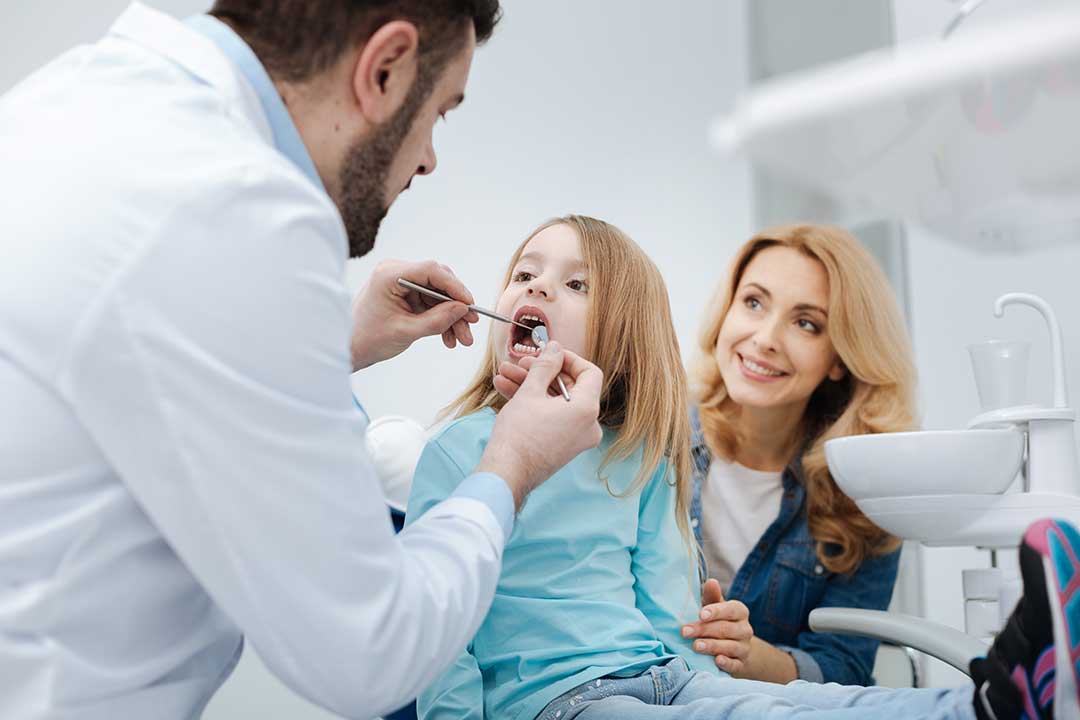
What Misconceptions Do People Commonly Have About Oral Health?
Several misunderstandings persist, such as:
- Only cavities require attention: Gum health is just as important.
- "Baby teeth don’t matter": Healthy primary teeth help ensure strong, properly spaced adult teeth.
- No pain means no problem: Many gum diseases progress quietly before symptoms appear.
- Good diet alone keeps teeth healthy: Even nutritious foods, if sticky or acidic, can cause problems without good hygiene.
Awareness of these misconceptions can help local families form stronger daily habits and recognize when something is amiss.
When Might Oral Health Become an Emergency?
While most oral health issues can be managed with routine care, certain situations require urgent attention, such as:
- Sudden severe toothache or swelling
- Broken or knocked-out teeth
- Uncontrolled bleeding
- Signs of spreading infection (fever, facial swelling, or difficulty breathing)
These problems should be addressed quickly to prevent further health complications or lasting damage.
Why Is Oral Health Especially Important for Older Adults and Those with Chronic Illness?
Aging residents and those with long-term conditions such as diabetes or heart disease are at higher risk for oral health decline, which can worsen existing health problems. Medications may cause dry mouth or change the balance of bacteria, increasing the need for extra care with brushing, flossing, and hydration.
Those who rely on dentures or have mobility challenges should pay special attention to routine mouth cleaning, using adaptive devices if necessary.
How Can Families Support Each Other in Maintaining Strong Oral Health?
Families play a central role—from helping children build good brushing routines to supporting elder relatives who may need reminders or assistance. In homes where multiple generations live together, simple changes like keeping healthy snacks available and modeling consistent oral care can benefit everyone in the household.