

 See My Latest Article on HelloNation
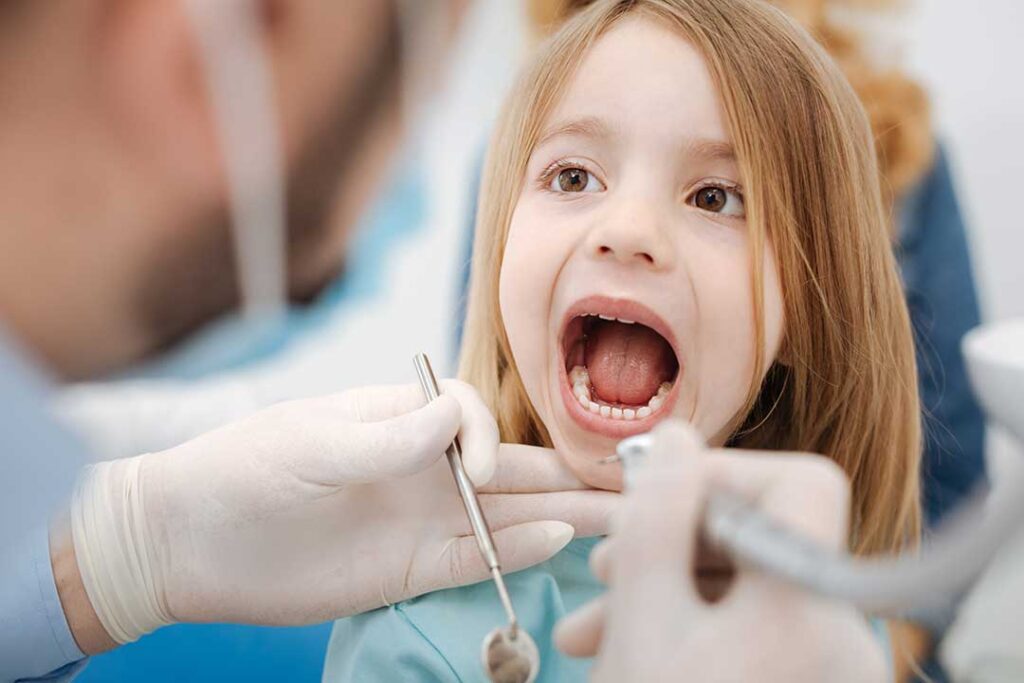
What are dental sealants?
Dental sealants are thin protective coatings placed over the chewing surfaces of back teeth. They fill the natural grooves and pits where food particles and plaque can collect, creating a smoother surface that is easier to keep clean.
Sealants are usually placed on molars, particularly the permanent molars that appear during childhood. The first permanent molars commonly erupt around age 6, while the second permanent molars often appear around age 12. Applying a sealant soon after these teeth emerge can help protect them during years when brushing the deep grooves may be difficult. ([cdc.gov](https://cdc.gov/oral-health/prevention/about-dental-sealants.html?utm_source=openai))
A sealant is not a filling. A filling repairs a cavity that has damaged the tooth. A sealant is generally used on a tooth that is sound or has an early, noncavitated area of decay that may be managed without drilling, depending on the tooth’s condition. ([aapd.org](https://www.aapd.org/research/oral-health-policies–recommendations/pit_and_fissure_sealants/?utm_source=openai))
Who usually needs sealants?
Children and teenagers are the most common candidates because newly erupted molars have deep grooves and are especially vulnerable to cavities. The American Dental Association and American Academy of Pediatric Dentistry recommend considering sealants for primary and permanent molars with healthy chewing surfaces or early, noncavitated lesions in children and adolescents. ([aapd.org](https://www.aapd.org/research/oral-health-policies–recommendations/pit_and_fissure_sealants/?utm_source=openai))
Sealants may be particularly useful for a child who:
- Has deep or narrow grooves in the molars
- Has had cavities before
- Frequently snacks or drinks sugary beverages
- Has difficulty brushing thoroughly
- Is still developing consistent brushing and flossing habits
- Has limited access to regular preventive dental care
A history of cavities does not automatically mean every tooth needs a sealant. The decision depends on the tooth’s shape, eruption stage, cleanliness, evidence of early decay, and overall cavity risk.
Can adults benefit from dental sealants?
Adults may benefit from sealants, especially when molars have deep grooves or when a person has a recent history of cavities. Sealants can also be considered for teeth that have not previously been restored and remain difficult to clean.
The strongest research recommendations concern children and adolescents. Evidence for adults is more limited, so an adult’s decision is usually individualized rather than based on age alone. A person with excellent oral hygiene and low cavity risk may not need sealants, while someone with recurring decay on molar chewing surfaces may have a reasonable preventive indication. ([aapd.org](https://www.aapd.org/research/oral-health-policies–recommendations/pit_and_fissure_sealants/?utm_source=openai))
Sealants are not typically placed over a large existing cavity, a broken tooth, or a tooth that needs a conventional restoration. Those conditions require a different evaluation and treatment approach.
How are sealants applied?
Applying a sealant is generally a brief, noninvasive process:
1. The tooth is cleaned.
2. The chewing surface is kept dry.
3. A conditioning material helps the sealant adhere.
4. The tooth is rinsed and dried again.
5. The liquid sealant is painted into the grooves.
6. A curing light may be used to harden the material.
The sealant is placed only on selected surfaces, not over the entire tooth. Once it has hardened, normal eating and drinking can usually resume without a special waiting period. ([cdc.gov](https://cdc.gov/oral-health/prevention/about-dental-sealants.html?utm_source=openai))
Keeping the tooth dry is important, particularly when a molar has only partly erupted. If moisture control is difficult, the dental team may consider a different sealant material or wait until more of the tooth is accessible.
How effective are sealants?
Sealants can substantially reduce the risk of cavities on protected molar surfaces, but they do not make a tooth cavity-proof. The CDC reports that sealants can prevent up to 80% of cavities for two years and continue protecting against approximately half of cavities for up to four years when applied appropriately. ([cdc.gov](https://cdc.gov/oral-health/prevention/about-dental-sealants.html?utm_source=openai))
The protective effect depends on retention. A sealant may wear, chip, or come loose over time, especially on teeth exposed to heavy chewing forces. During routine examinations, the sealant can be checked and repaired or replaced if needed.
Sealants also protect only the surfaces they cover. Cavities can still develop between teeth, near the gumline, around an old filling, or on another part of the tooth.
Do sealants replace brushing, fluoride, or flossing?
No. Sealants are one part of cavity prevention, not a substitute for daily oral care.
A child or adult with sealants should still:
- Brush twice daily with fluoride toothpaste
- Clean between teeth as recommended
- Limit frequent exposure to sugary drinks and snacks
- Drink water regularly
- Keep routine preventive dental visits
- Follow individualized fluoride guidance

Fluoride helps strengthen tooth enamel broadly, while sealants provide a physical barrier in the grooves of molars. Evidence-based guidance has found sealants effective for preventing or slowing pit-and-fissure decay compared with no sealant, and they may provide an advantage over fluoride varnish alone for certain molar surfaces. ([ada.org](https://www.ada.org/resources/ada-library/oral-health-topics/dental-sealants?utm_source=openai))
For households in Fairport, seasonal routines can affect consistency. School schedules, sports, travel, and colder months spent indoors may make regular brushing supervision or dental visits harder to maintain. A simple routine that continues through school breaks and winter weather is more useful than relying on sealants alone.
Are dental sealants safe?
Dental sealants have been used for many years, and professional guidelines support their use when clinically appropriate. Sealant materials may include resin-based or glass-ionomer materials. Current evidence has not established one material as universally superior for every situation. ([ada.org](https://www.ada.org/resources/ada-library/oral-health-topics/dental-sealants?utm_source=openai))
Some people ask about bisphenol A, or BPA, associated with certain resin materials. The ADA reports that the potential exposure from dental sealants is very small and that available information has not shown adverse effects in patients caused by BPA in sealants. ([ada.org](https://www.ada.org/resources/ada-library/oral-health-topics/dental-sealants?utm_source=openai))
As with any dental procedure, the relevant question is whether the expected preventive benefit outweighs the limitations for that particular tooth. A discussion should include the tooth’s cavity risk, whether it is fully erupted, and whether decay is already present.
What should parents ask about?
Parents and caregivers can ask:
- Which molars have grooves deep enough to benefit from sealing?
- Is there any existing decay under consideration?
- Are the first or second permanent molars fully erupted?
- How will the sealants be checked over time?
- Does the child still need fluoride varnish or other preventive measures?
- Are any school-based sealant programs available to eligible students?
School-based programs can help children who might otherwise miss preventive care, particularly those at higher risk for cavities or facing barriers to routine access. ([cdc.gov](https://cdc.gov/oral-health/prevention/about-dental-sealants.html?utm_source=openai))
A sealant is most useful when it is placed on the right tooth, at the right stage, and followed by regular monitoring. For many children, the most practical time to discuss sealants is when the permanent molars first appear—not after a cavity has already formed.