
 See My Latest Article on HelloNation
What Happens During a Dental Cleaning?
A dental cleaning is a routine preventive procedure performed by a dental hygienist or dentist to remove plaque, tartar, and stains from teeth. Residents in Fairport, NY can expect this process to last 30 to 60 minutes, depending on individual needs and recent dental history. The cleaning is typically painless, though temporary sensitivity may occur.
The appointment often begins with a short overview of your oral health history. Hygienists in the community may also ask about any recent changes in health or medications, as these can affect oral tissues and cleaning procedures.
Do You Need to Prepare for a Dental Cleaning?
There’s no special preparation needed before a standard dental cleaning, but basic steps can make the process smoother:
- Brush and floss before your visit if possible, as it helps assessment.
- Bring a list of any medications, as certain prescriptions can affect gums or saliva flow.
- Be ready to mention any changes in oral health, recent sensitivity, or discomfort.
Patients in this area may prefer to bring something to occupy their wait, especially during busier times like school breaks and early evenings when many residents schedule check-ups.
What Tools and Techniques Are Used?
Cleanings in this community typically rely on a mix of handheld instruments and ultrasonic scalers:
- Hand scalers remove plaque and tartar with gentle scraping.
- Ultrasonic tools vibrate to break up hardened deposits and use water spray to wash away debris.
- A polishing cup with gritty toothpaste helps remove surface stains.
- Suction and intermittent rinsing keep your mouth comfortable.
These tools are used carefully, and patients can signal the hygienist at any time if they feel discomfort or need a break. Tools are thoroughly sterilized between patients according to state and local health codes.
What Is the Role of an Oral Exam During Cleaning?
Most routine cleanings also include an oral exam. This exam is a crucial step for catching early signs of issues, such as cavities, gum disease, or even conditions like oral cancer that may not cause pain at first.
During the exam, the dentist or hygienist looks for:
- Red or swollen gums
- Pockets between teeth and gums
- Worn fillings or crowns
- Unusual lesions or spots
This screening is especially valuable in communities like Fairport, where dry indoor air during colder months can contribute to gum irritation or dry mouth.
Can Dental Cleanings Cause Discomfort?
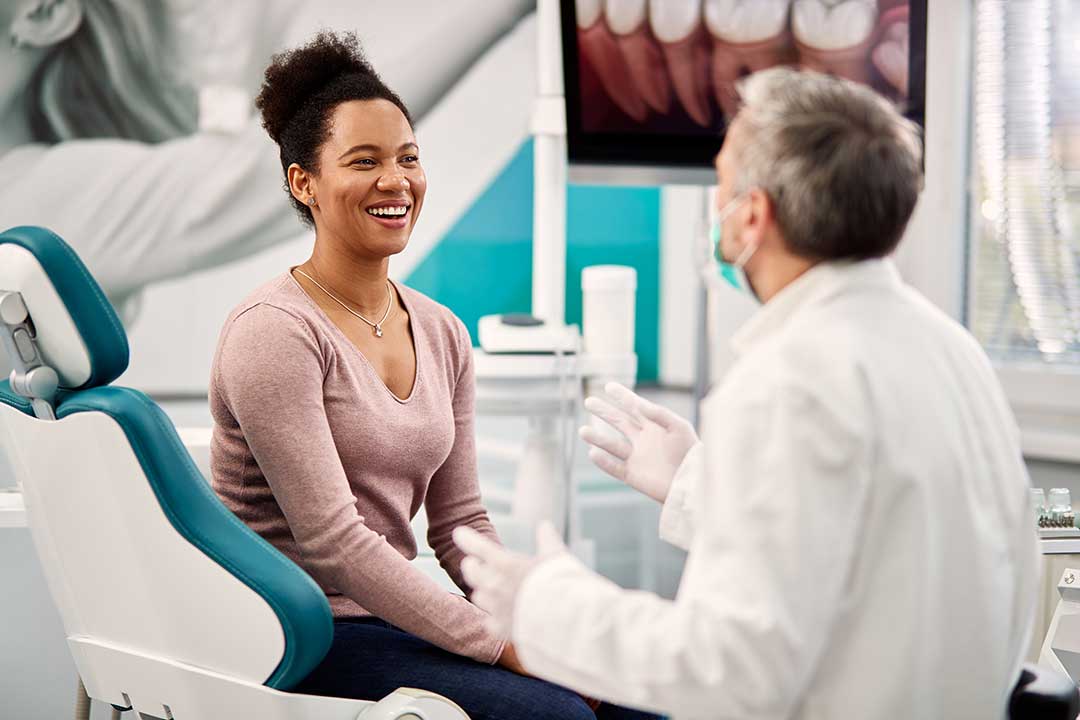
For most patients, cleanings are painless. Those with sensitive gums, significant tartar buildup, or gum disease might notice mild tenderness or occasional bleeding, especially when flossing after a period of neglect. This is normal and often improves with regular care.
If you have dental anxiety—common among adults and children alike in many communities—it helps to discuss your concerns before the cleaning starts. Hygienists are trained to explain each step, offer breaks, and use numbing gels if needed.
How Often Should You Have Your Teeth Cleaned?
Most people benefit from a cleaning and exam every six months. However, certain factors can influence frequency:
- History of gum disease may require more frequent visits.
- Adults with braces, dental implants, or diabetes sometimes need closer intervals.
- Children in the city’s schools are often scheduled for cleanings before or after the academic year, ensuring care fits around busy household routines.
Local climate can play a subtle role—cold winters sometimes lead to less hydration and dry mouth, raising the risk of plaque buildup.
What Are Some Common Misunderstandings About Cleanings?
Many area residents wonder if at-home brushing and flossing make cleanings unnecessary. While strong home care is crucial, brushing and flossing can’t fully remove hardened tartar (calculus) once it forms. Only professional tools can safely and effectively clean these deposits.
Another frequent misconception: that dental cleanings damage enamel. When performed properly, cleanings do not weaken tooth enamel. Professional techniques are designed to preserve healthy tissue and prevent future tooth decay.
What to Expect After the Visit
Post-cleaning, your teeth may feel smoother and look brighter. It’s not unusual to experience temporary sensitivity, especially to cold foods or drinks. This generally resolves within a day or two.
Residents sometimes notice a “slick” feeling on their teeth or mildly sore gums, particularly if there was significant tartar buildup. Normal eating and drinking habits can be resumed immediately unless instructed otherwise due to specific findings during the exam.
How Does Seasonality and Local Lifestyle Impact Dental Cleanings?
The city’s seasonal climate influences oral health habits. Cold winters mean more indoor time and heated homes, which can lead to dry mouth—a factor in gum irritation and plaque buildup. Busy back-to-school and end-of-year schedules may affect when families book their cleanings, so planning ahead can help avoid crowded times at local dental offices.
Access to safe tap water, widespread in this area, supports enamel health due to its fluoride content. For residents using private wells or filtration systems, asking about fluoride levels during checkups can be useful, as this may affect long-term oral health.