
 See My Latest Article on HelloNation
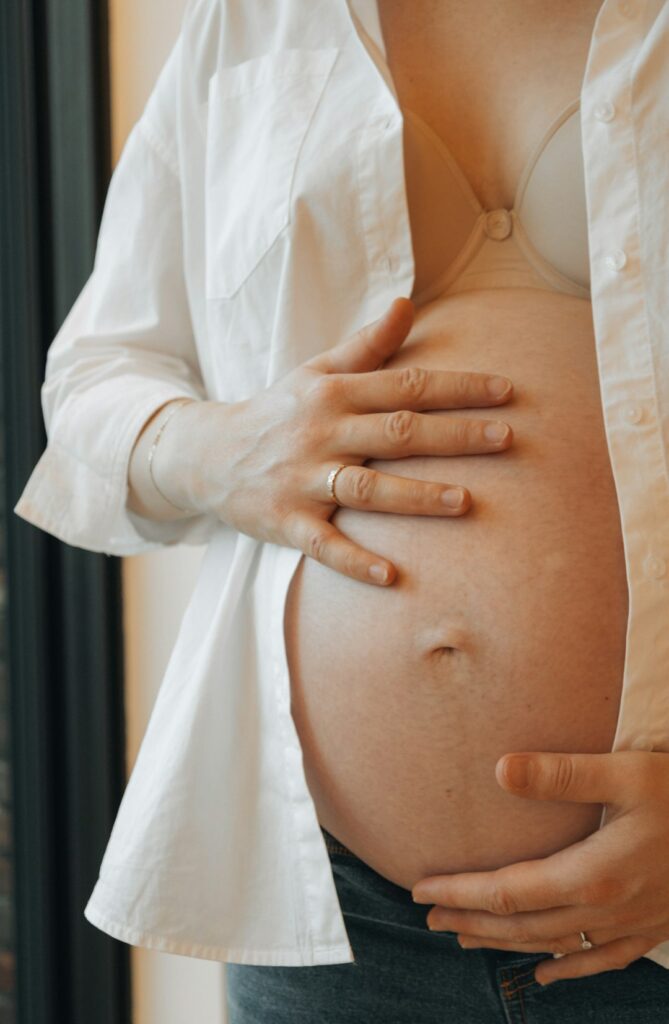
How Does Pregnancy Impact Teeth and Gums?
Pregnancy triggers many changes in the body—including the mouth. Hormonal fluctuations can increase the risk of certain dental problems, sometimes leading to symptoms residents in Fairport, NY may notice for the first time. While many people overlook oral health as part of prenatal care, understanding these changes helps prevent discomfort and preserve healthy teeth and gums throughout and after pregnancy.
Why Do Gums Bleed More During Pregnancy?
Short answer: Gums often become more sensitive and prone to bleeding due to hormonal changes that heighten blood flow and inflammation.
During pregnancy, estrogen and progesterone levels rise significantly. These hormones make gum tissue more reactive to plaque, the soft film of bacteria that naturally forms on teeth. For some people, this leads to “pregnancy gingivitis”—red, swollen, and bleeding gums, most noticeable during brushing or flossing.
Local residents may find this more prominent in colder months when indoor heating dries the air and can contribute to dry mouth, further irritating sensitive tissues. Good home care and regular gentle cleaning often help keep symptoms under control.
Are Cavities More Common When Pregnant?
Short answer: Yes, certain pregnancy-related factors can raise the risk of cavities.
Several changes during pregnancy can affect tooth enamel and cavity risk:
- Morning sickness can increase the amount of acid in the mouth, which may weaken enamel.
- Frequent snacking or cravings for sugary foods can feed cavity-causing bacteria.
- Sometimes, brushing and flossing are skipped due to nausea or fatigue.
Minor enamel damage isn’t always obvious right away. Residents might first sense increased tooth sensitivity or spot small changes in color. Promptly rinsing with water after vomiting and choosing snacks lower in sugar can minimize these risks.
Can Loose Teeth Happen During Pregnancy?
Short answer: Teeth rarely become noticeably loose during routine pregnancies, but the risk may rise if gum inflammation is severe.
Hormones during pregnancy can temporarily loosen the ligaments and bones supporting teeth. This alone generally doesn’t cause teeth to move. However, if gum disease is advanced, pregnancy can accelerate bone loss around teeth, increasing looseness. Most people in the city will not experience wobbly teeth unless there is already a pre-existing gum issue.
If a tooth begins to noticeably shift, it should be checked promptly to prevent further complications. In most cases, with attentive home care, dental stability remains unchanged throughout pregnancy.
What Is Pregnancy Tumor and Should Residents Be Concerned?
Short answer: Some pregnant people develop a harmless gum growth called a “pregnancy tumor,” which usually disappears after birth.
Despite the name, a pregnancy tumor isn’t cancer. It’s an overgrowth of gum tissue most often found between teeth or along the gumline, associated with excess plaque and heightened gum response. The growth can appear red, tender, and bleed easily, but it is not dangerous.
These growths are rare and often shrink after pregnancy ends. Residents should avoid picking at or trying to remove them and focus on gentle brushing and flossing to reduce irritation.
How Can Pregnancy-Related Oral Health Changes Affect the Baby?
Short answer: Severe gum infections may affect pregnancy health, but typical gum bleeding does not directly harm a developing baby.
There is evidence that advanced gum disease (periodontitis) is linked to premature birth or low birth weight, possibly due to inflammation spreading throughout the body. However, mild gingivitis—which is much more common—has not been shown to cause these problems.

Maintaining everyday oral hygiene and addressing moderate to severe gum symptoms helps support overall health during pregnancy, especially for households planning multiple pregnancies or those with previous dental concerns.
What Everyday Habits Are Safe and Effective During Pregnancy?
Short answer: Gentle but thorough cleaning, a balanced diet, and regular hydration are key—most routine home oral care remains safe while pregnant.
Local water sources in Fairport generally provide safe, fluoride-containing drinking water, which can help support enamel strength. Pregnant residents should focus on:
- Using a soft-bristled toothbrush and mild toothpaste to avoid gum irritation
- Brushing twice daily and flossing gently, even if gums bleed
- Drinking plenty of water, especially during dry or chilly seasons
- Limiting sticky, sugary snacks, replacing them with cheese, nuts, or crunchy vegetables where possible
- Rinsing the mouth with water after vomiting, then waiting 30 minutes before brushing teeth to protect softened enamel
Some over-the-counter mouthwashes are also safe, but those containing alcohol should be avoided. For any significant or persistent pain, always err on the side of caution and seek professional evaluation.
Are Dental X-Rays and Treatment Safe During Pregnancy?
Short answer: Most preventive and emergency care is safe when managed with proper precautions, but elective dental work is often delayed.
Small, focused dental X-rays emit minimal radiation and are generally considered safe, especially with a leaded apron. Essential procedures, such as treating infections or deep cleanings, can be performed safely after clearing any medical concerns. However, routine cosmetic treatments are best postponed until after childbirth.
Area dentists typically adapt care plans to each patient's needs, working with primary care providers when needed to ensure the health of both parent and baby.